Explore the Danube Delta's biodiversity: from birdwatching and canal trails to traditional accommodation and unique culinary experiences in the Danube inlets.
The complete guide to the Danube Delta
In the following pages, you will find detailed information about:
- Top tourist destinations: Traditional villages, nature reserves, tourist trails and much more.
- Activities and attractions: Everything you need to know about boating, fishing, bird watching, cycling and other activities.
- Accommodation and catering: Accommodation to suit all budgets and restaurants serving traditional cuisine.

The Danube Delta covers a total area of about 5,800 square kilometres, of which more than 801 square kilometres are in Romania and the rest in Ukraine. It is formed by the deposition of silt by the Danube River, which branches into three main branches:
Chilia - the northernmost and longest arm, forms the natural border with Ukraine.Length: about 111 km
Sulina - the shortest and only navigable for sea-going vessels.Length: about 64 km.
Sfântu Gheorghe - the southernmost, with a more natural and wild look.Length: about 112 km
The Danube Delta covers a total area of about 5,800 square kilometres, of which more than 801 square kilometres are in Romania and the rest in Ukraine. It is formed by the deposition of silt by the Danube River, which branches into three arms
The delta is constantly changing - it's advancing into the Black Sea by a few metres each year, expanding naturally.
Ecosystem
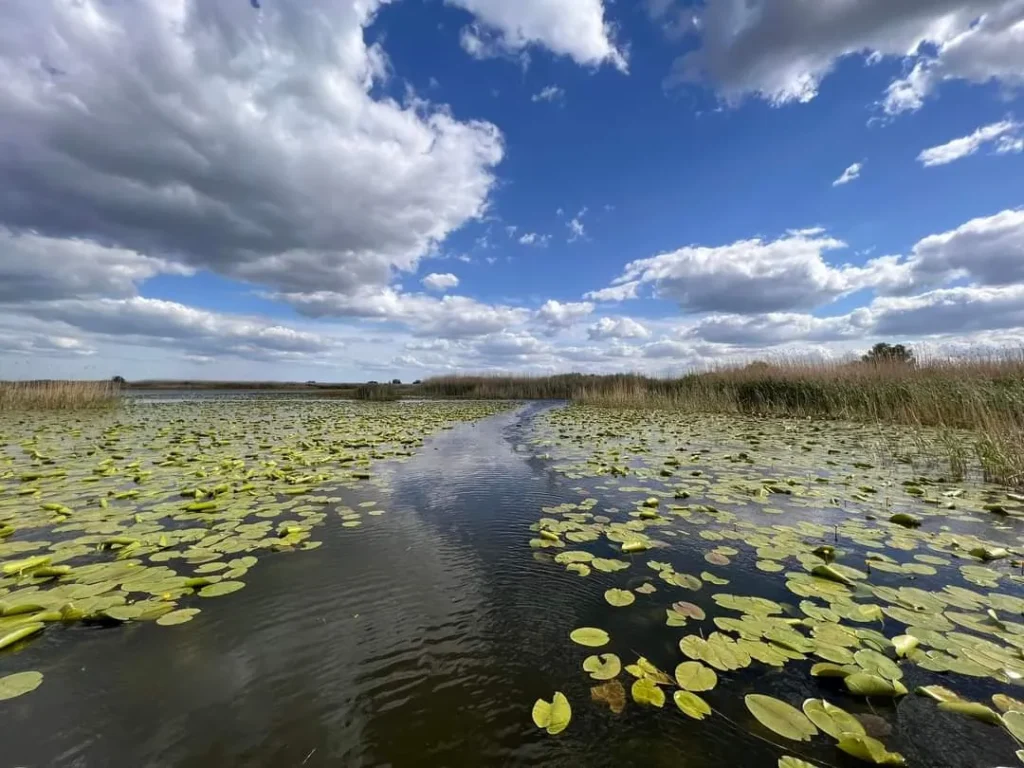
The Delta is dominated by reedbeds, spread over thousands of hectares, but also by lakes, canals, swamps, meadow forests and sand dunes. Among the most famous lakes are Roșu, Puiu, Matița, Isac and Gorgova.
Biodiversity
Wildlife
The delta harbours one of the highest species diversity in Europe:
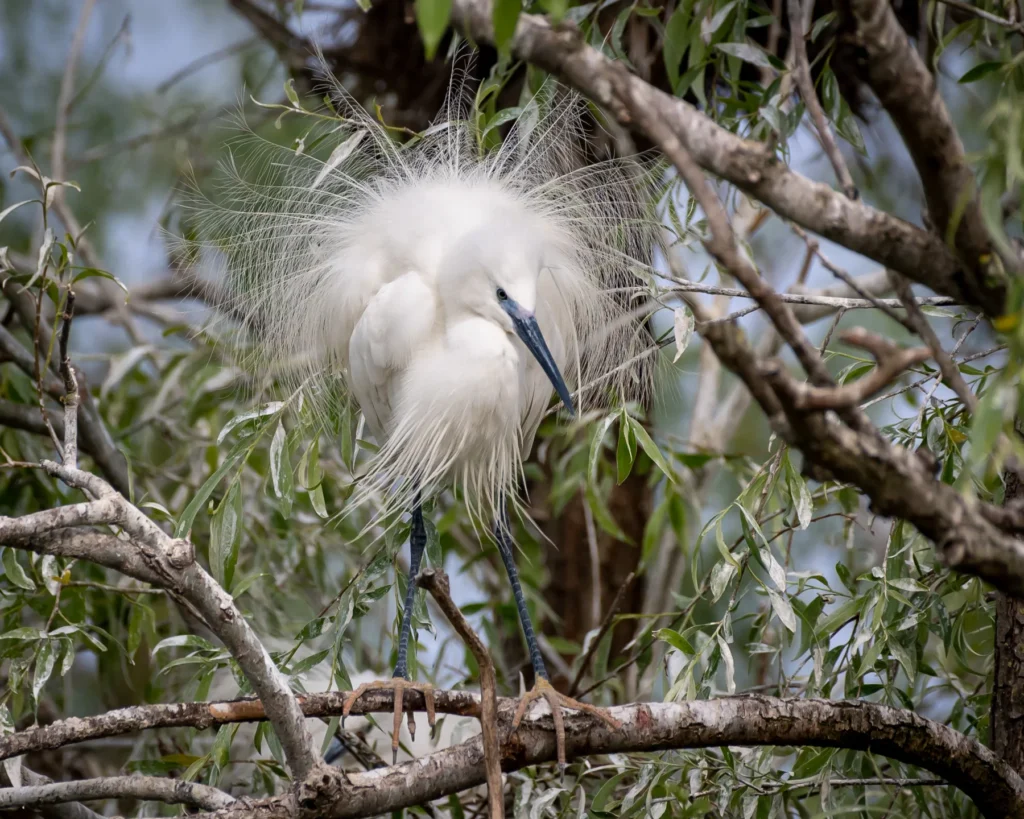
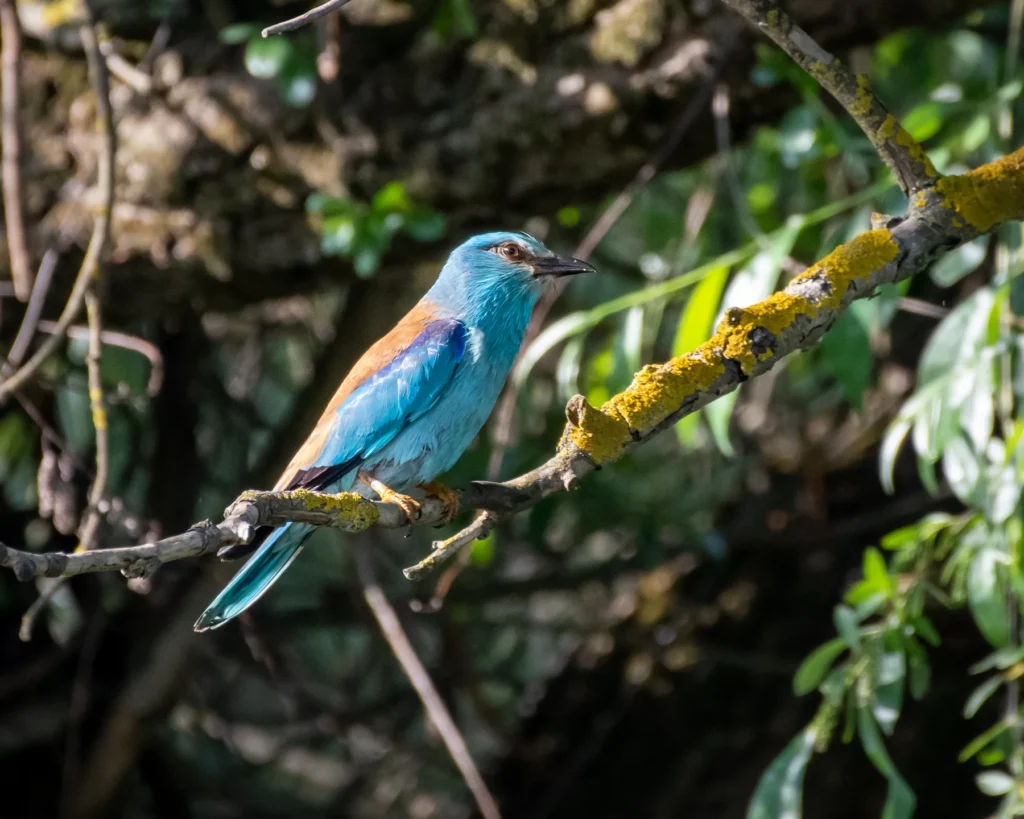
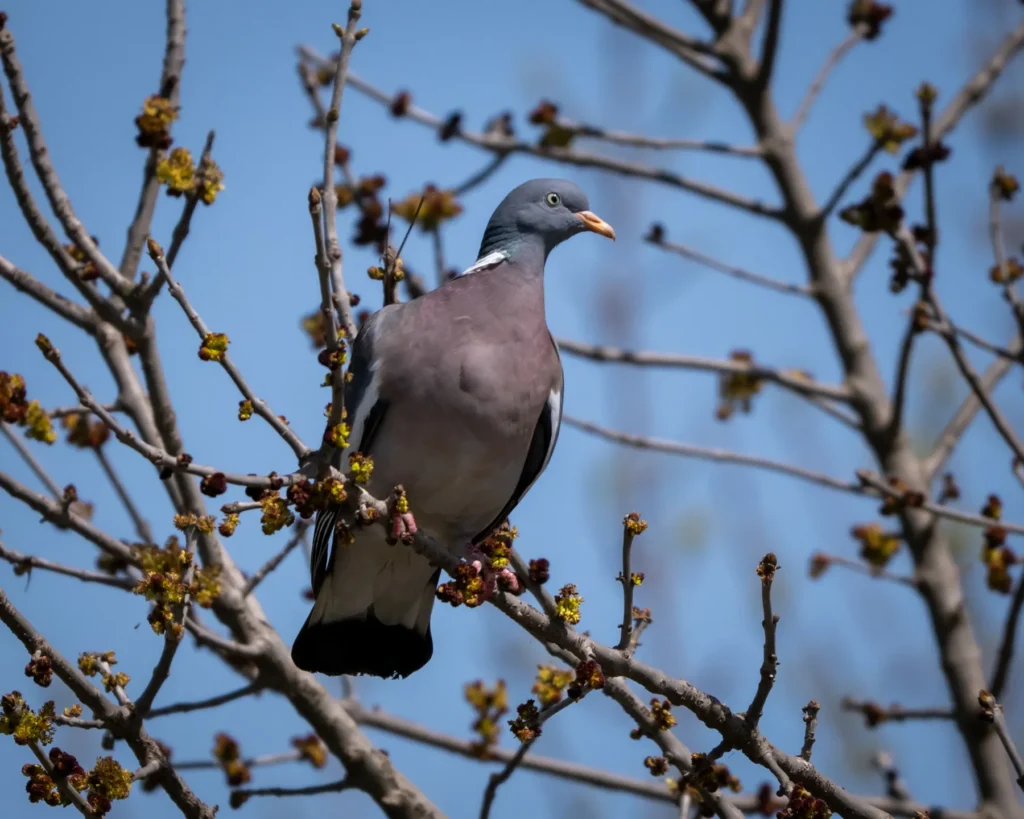
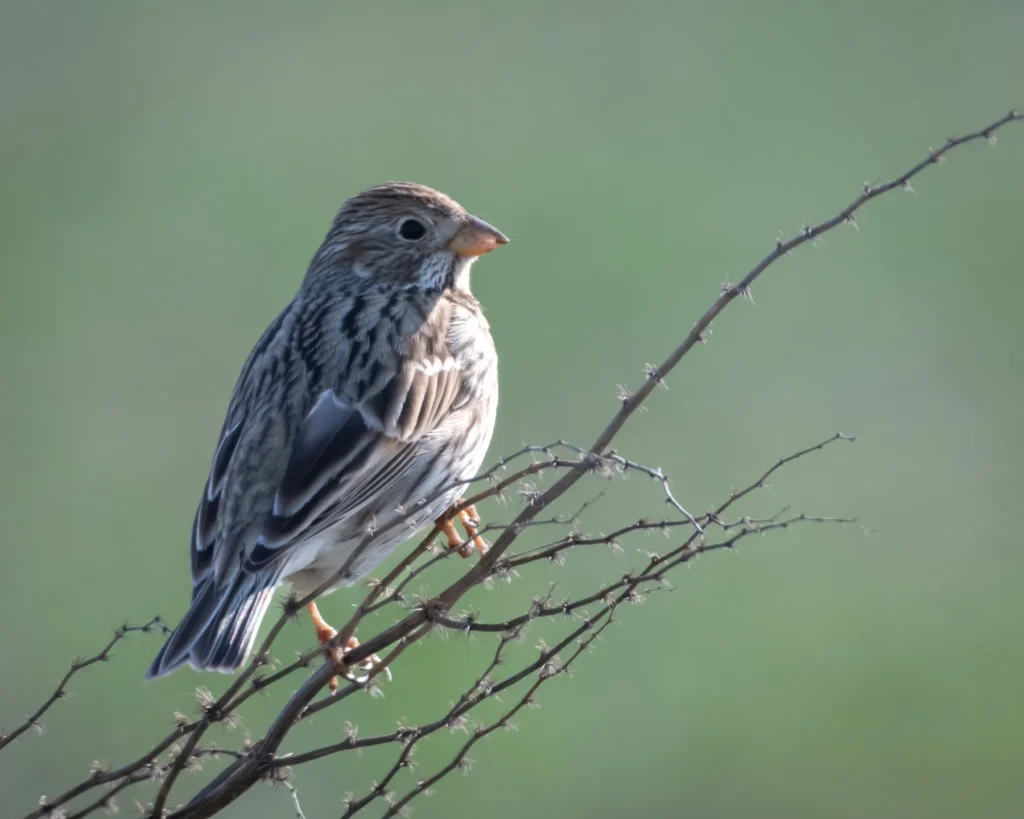
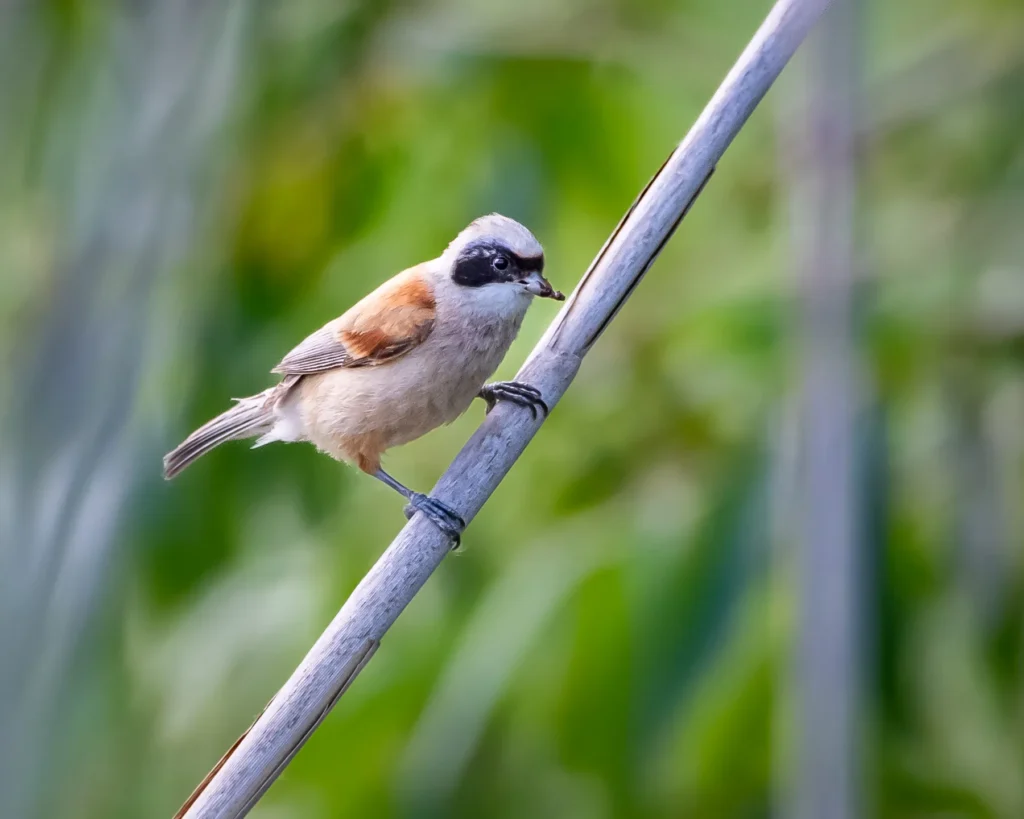
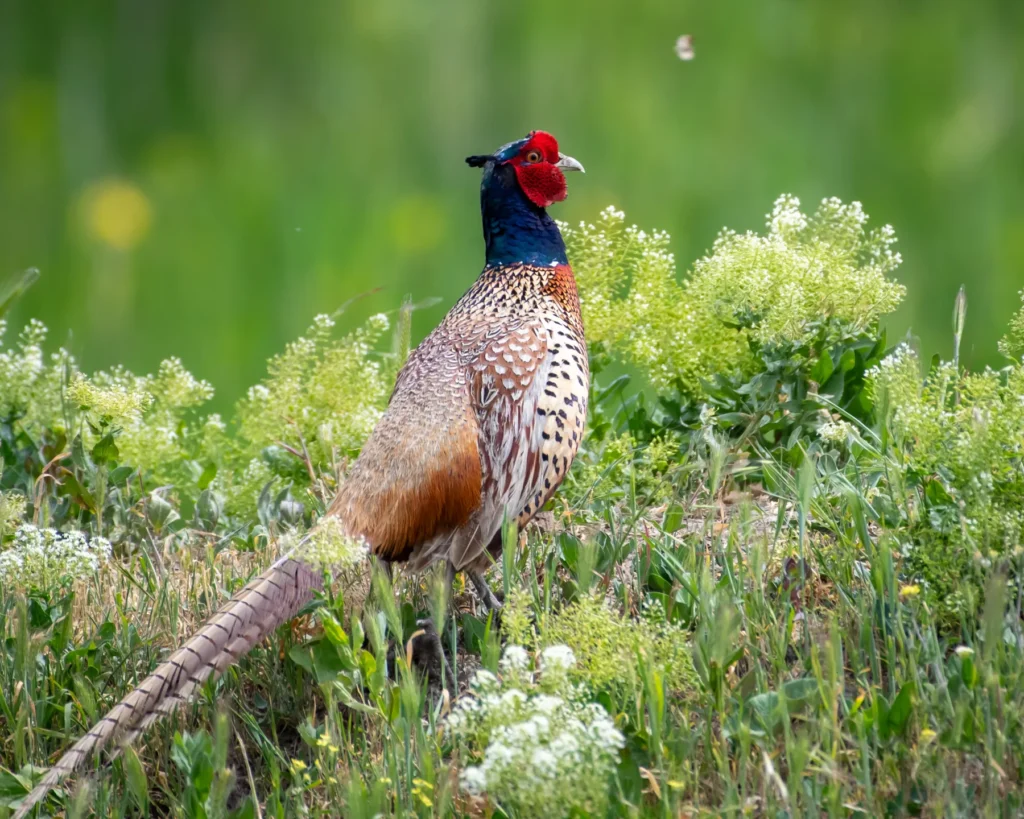
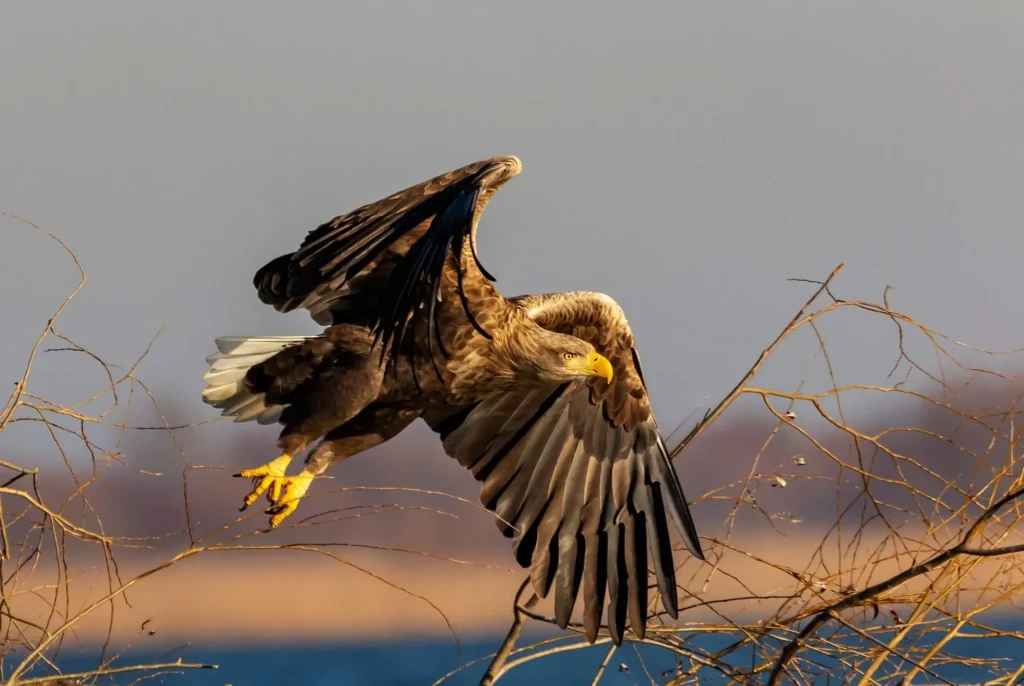
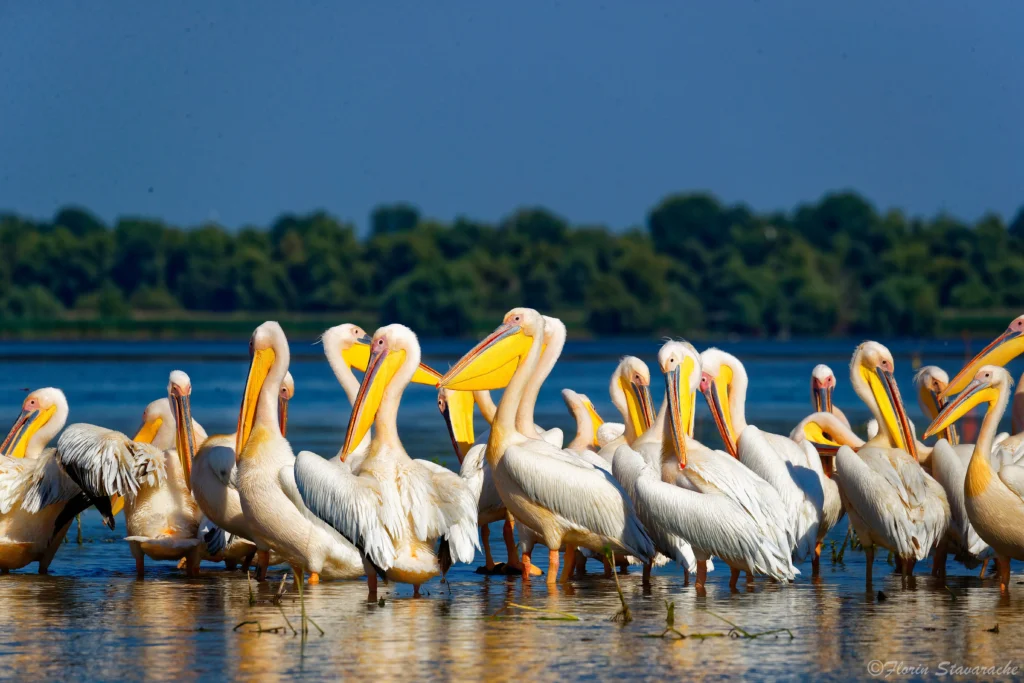
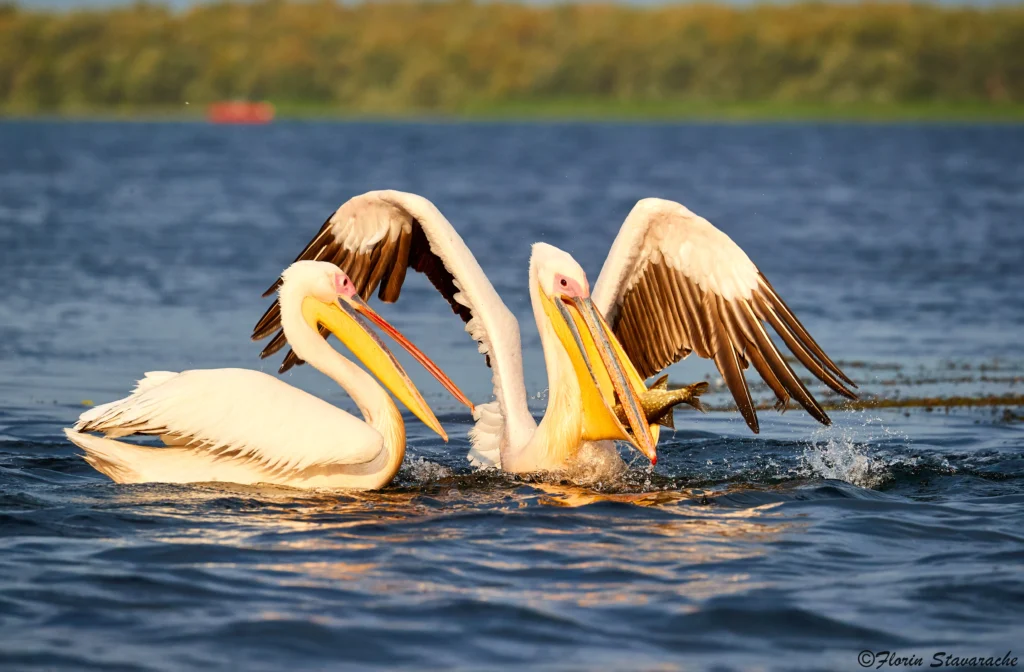
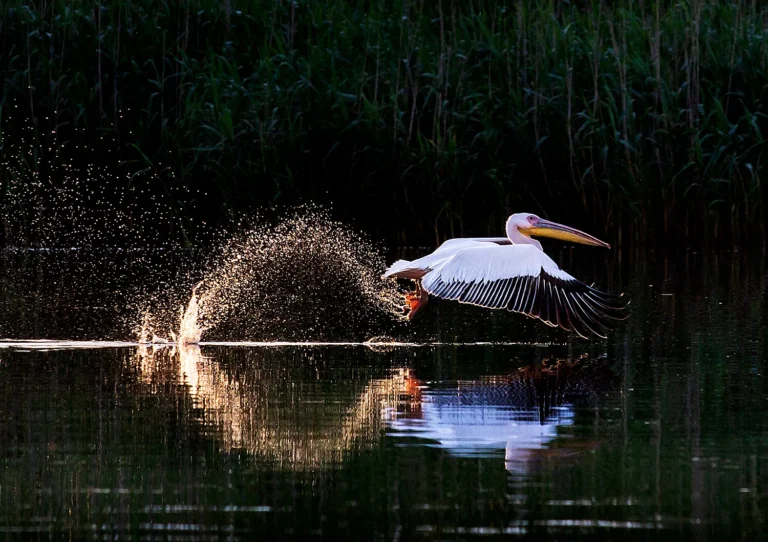
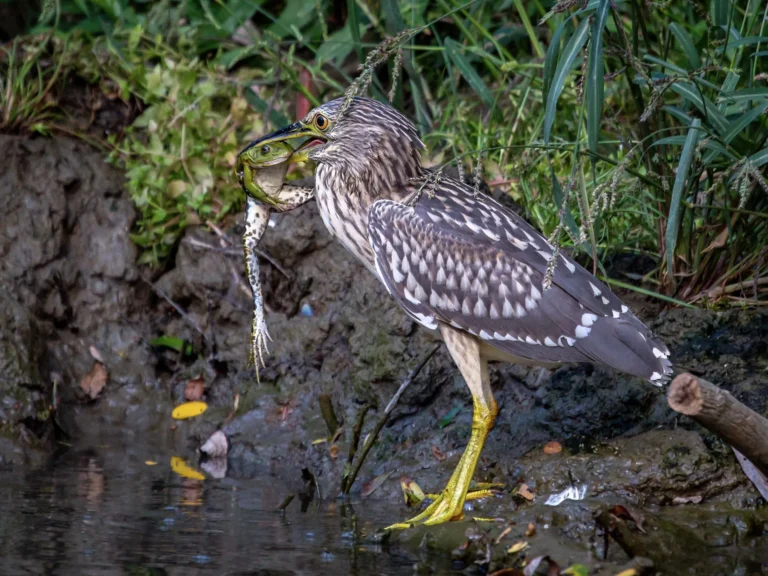
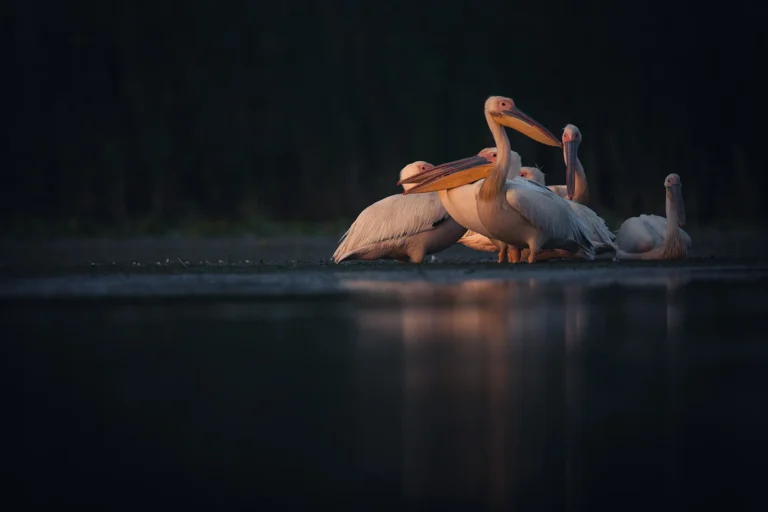
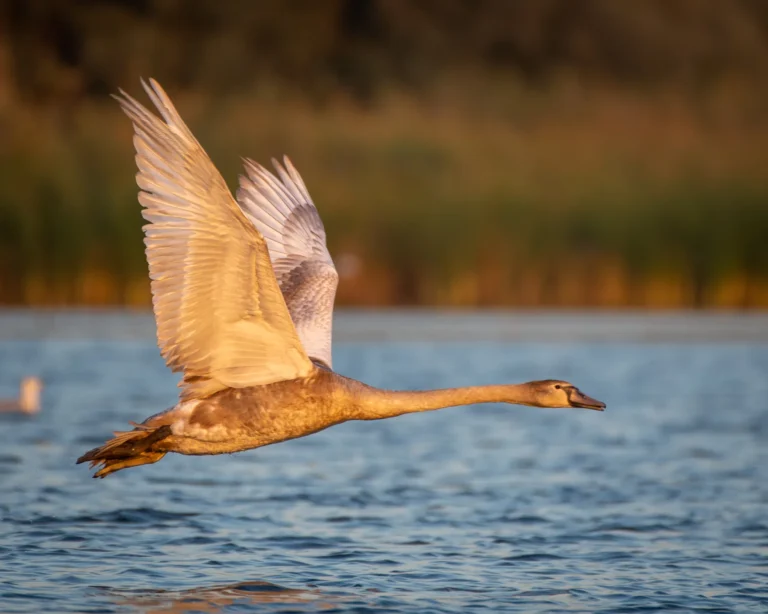
- Birdsplague 300 species, many of which are migratory. Notable White Pelican and Dalmatian pelican, but also swans, cormorants, cormorants, egrets, egrets, gypsies, wagtails.
- Pisces: around 45 species, including sturgeon (morun, niger, grey mullet) - some of which are endangered due to illegal fishing.
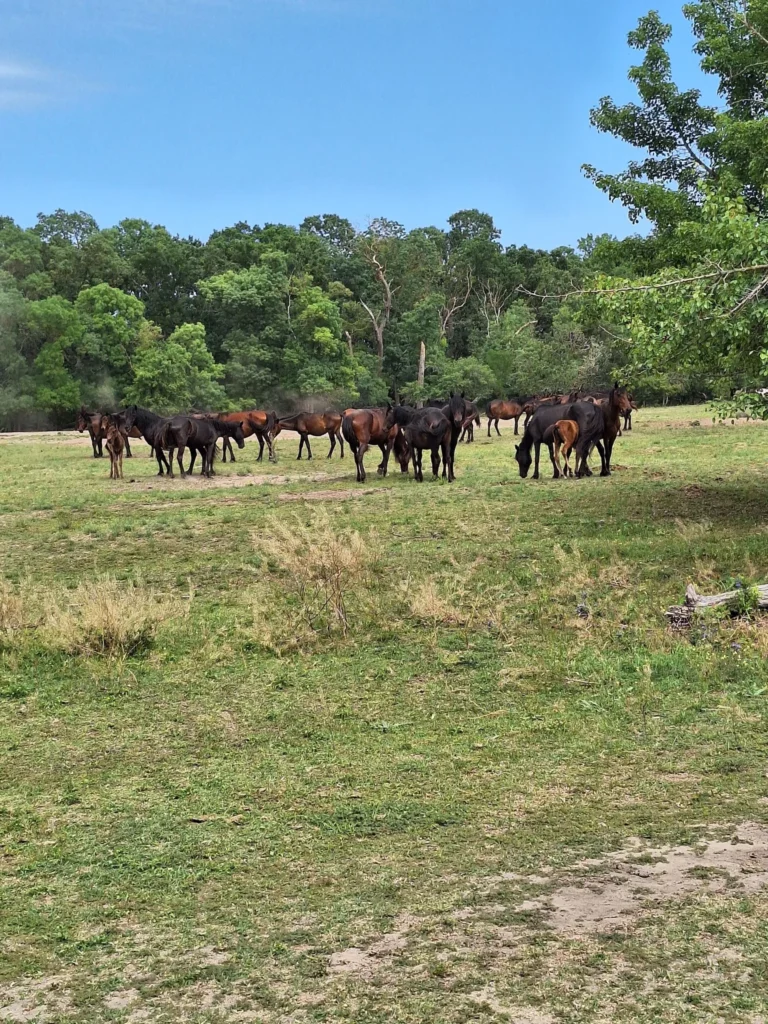
- Mammals: the otter, wild boar, golden jackal and even the wild horses of the Letea Forest.
Flower
They grow in the reedbeds and forests of the Delta:
- Reed (Phragmites australis) - the dominant party.
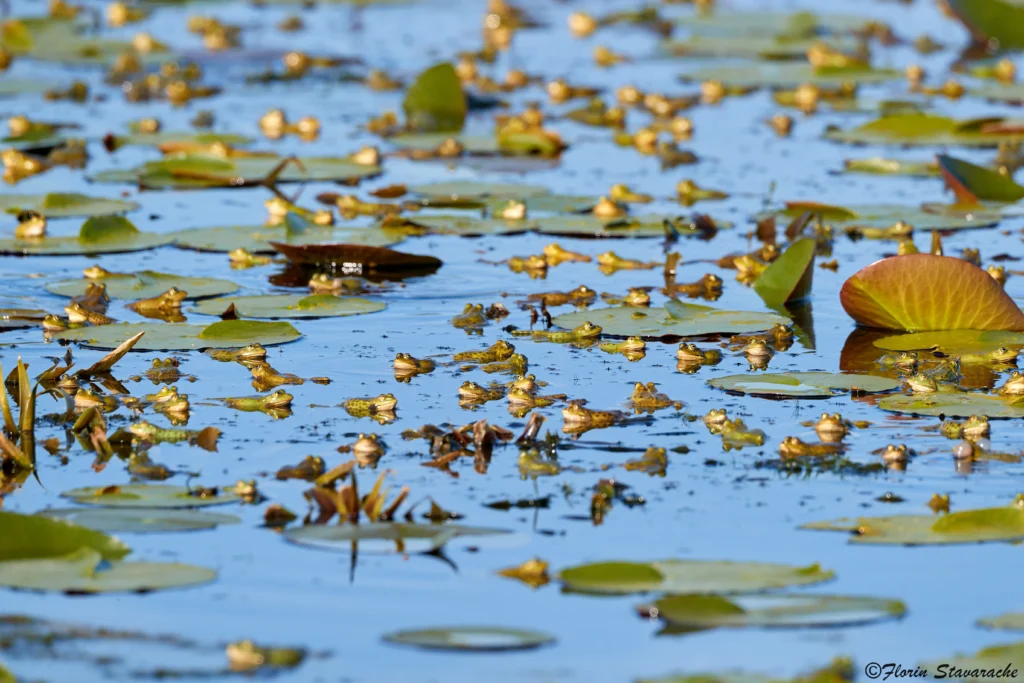
- Aquatic plants: white and yellow water lilies, white willow, papura.
- Rare plant in the sandy woodlands, like Letea's oak.
Ecological and cultural importance
International recognition
- In 1990, the Delta was inscribed by UNESCO as Biosphere Reserve, due to its ecological value and uniqueness.
- It is also a Ramsar site, a wetland of international importance.
Tourism and conservation
Tourist activities
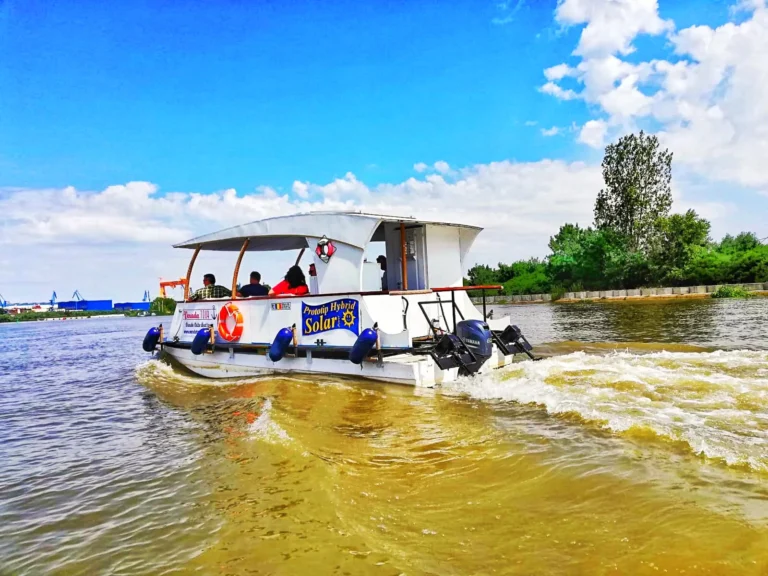
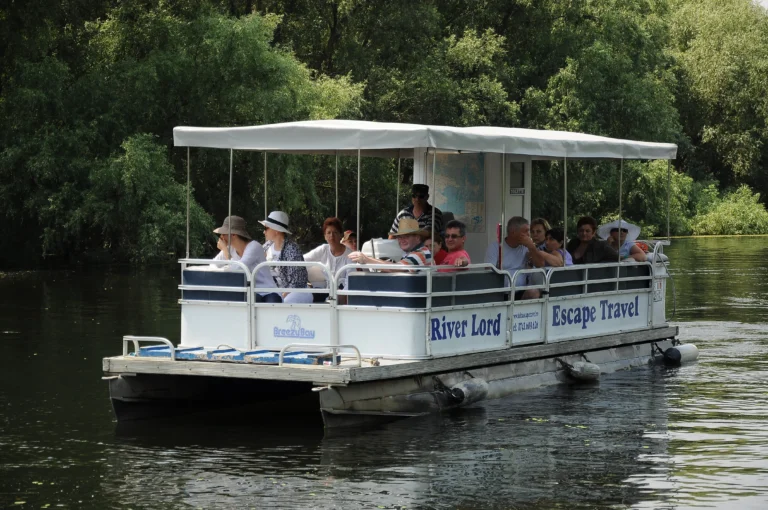
- Boat trips (rowing or motorised) on canals, lakes and reedbeds.
- Bird watching (birdwatching) - especially in spring and autumn.
- Nature photography, sport fishing, cultural visits to villages.
- Wild beaches in Sulina and Sfântu Gheorghe.
Attractive area:
- Letea Forest - a unique ecosystem of subtropical forest on sand dunes.
- Red Lake and Baby Lake - shallow water areas ideal for birds.
- Erenciuc Canal - to spot pelicans and lotus flowers.
Discover now the most beautiful places in the Danube Delta!
The Delta is inhabited by about 15,000 people, many of them living in isolated villages. The best known communities are:
- Sulina - a harbour city with a cosmopolitan past.
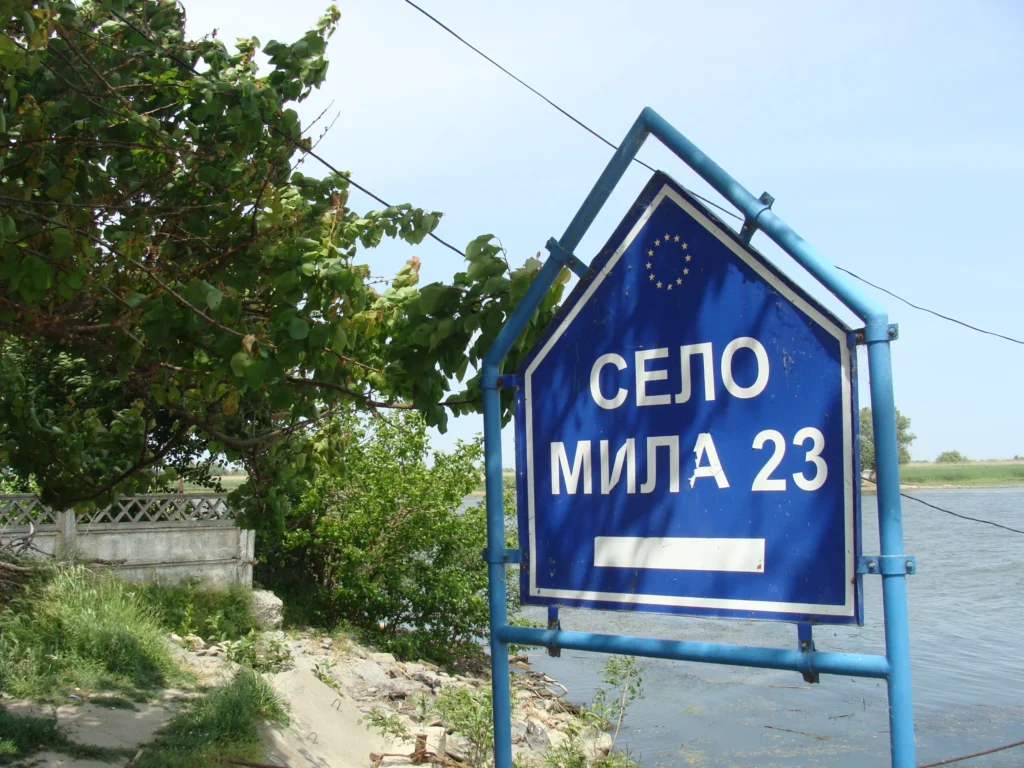
- Mila 23 - A fishing village famous for its fishing culture and gastronomy.
- Sfântu Gheorghe - where the Danube meets the Black Sea, with wild beaches.
The locals preserve ancient traditions, crafts, language and customs influenced by the Slavic, Romanian and Ukrainian influences.


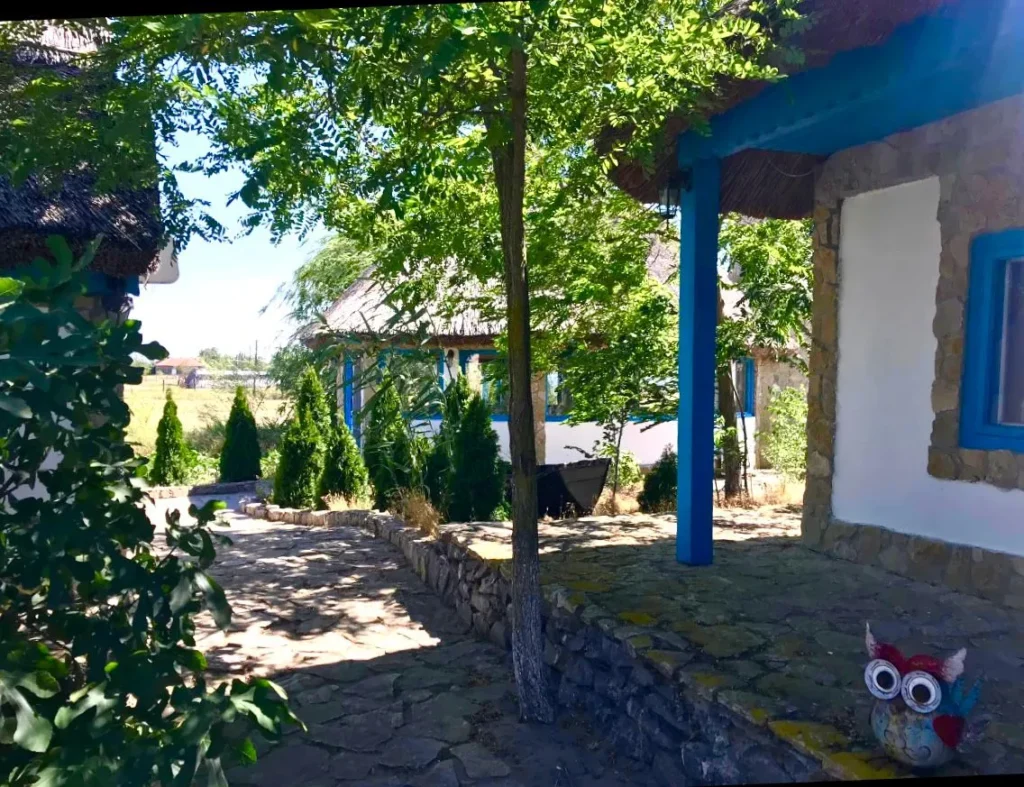
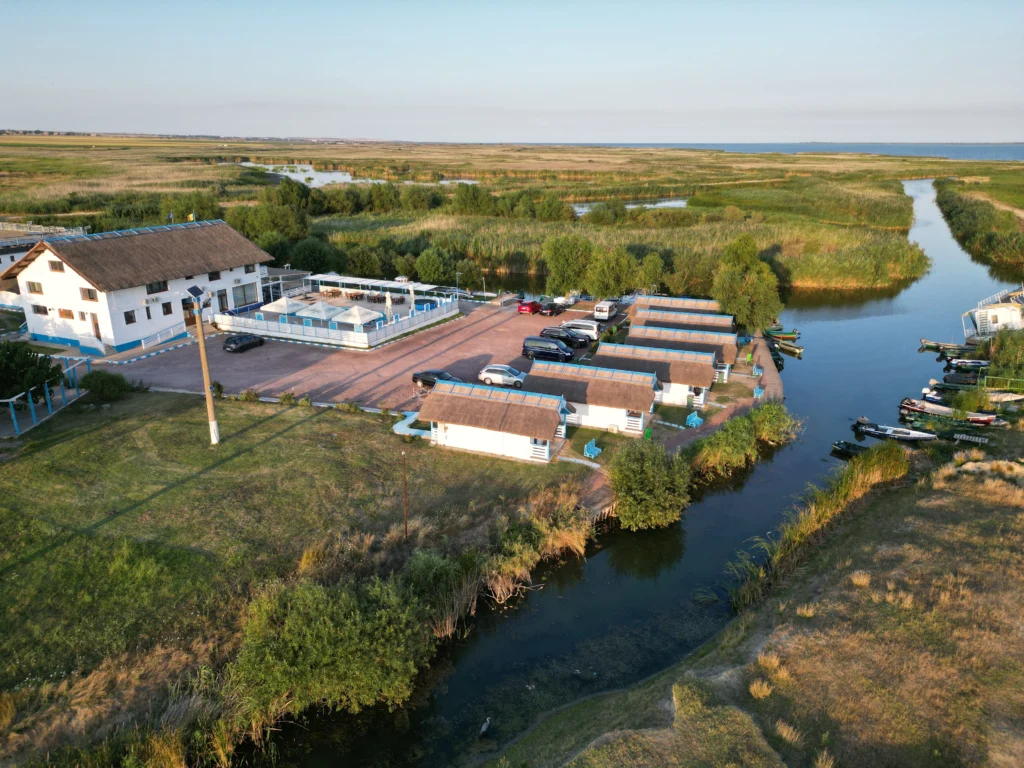
Accommodation - Your refuge in the Danube Delta
Pure nature. Complete tranquillity. Memorable experiences. Everything you need for a great holiday.

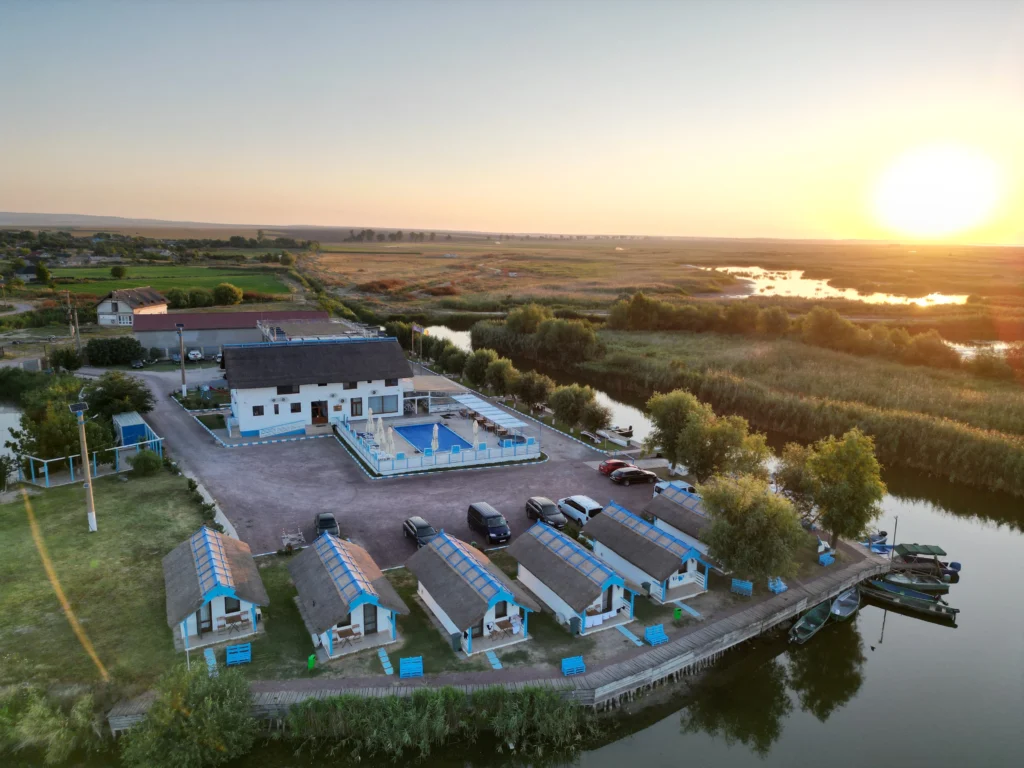

Trips in the Danube Delta!
We are delighted to invite you on a series of unforgettable trips in the heart of the Danube Delta!
Venture into the heart of the wilderness, explore stunning landscapes and enjoy an unforgettable experience. Don't miss your chance to discover this corner of paradise!

4-day trip in the Danube Delta - Slow boats (catamaran)
1400-2050 lei/person 4 days
View trip
Photo workshop in the Danube Delta
2200 lei/person 4 days
View trip
A complete tour to the heart of the Delta - the fishing village of Mila 23... for gourmet connoisseurs! - 8-9 hours
270 lei/person - 8-9 hours
View trip
Danube Delta Photo Tour – Bird & Wildlife Photography (4 Days) | Just Wildlife Tours
£3500 per person 4 days
View tripWildlife Photography Tour in the Danube Delta & Letea (5 Days) | Just Wildlife Tours
4000 RON/person 5 days
View trip
3-day trip in the Danube Delta - Slow boats (Catamaran)
lei/person 3 days
View tripCatamaran trip in the lake complex SOMOVA - PARCHEȘ
120 lei/person - 3-4 hours
View trip
Private Birdwatching Tour in the Danube Delta at Letea Forest | Just Wildlife Tours
£450 per person - 8-9 hours
View tripBirdwatching Trip in the Danube Delta & Letea (4 days) | Just Wildlife Tours
3000 lei per person 4 days
View trip
Tulcea - "Nebunu Lake"
- lei/person - 3-4 hours
View tripBirdwatching trip in the Danube Delta & Letea (5 days) | Just Wildlife Tours
3000 lei per person 5 days
View trip
By far the nature lovers' favourite, the 6-7 hour hike
245 lei/person - 6-7 hours
View trip
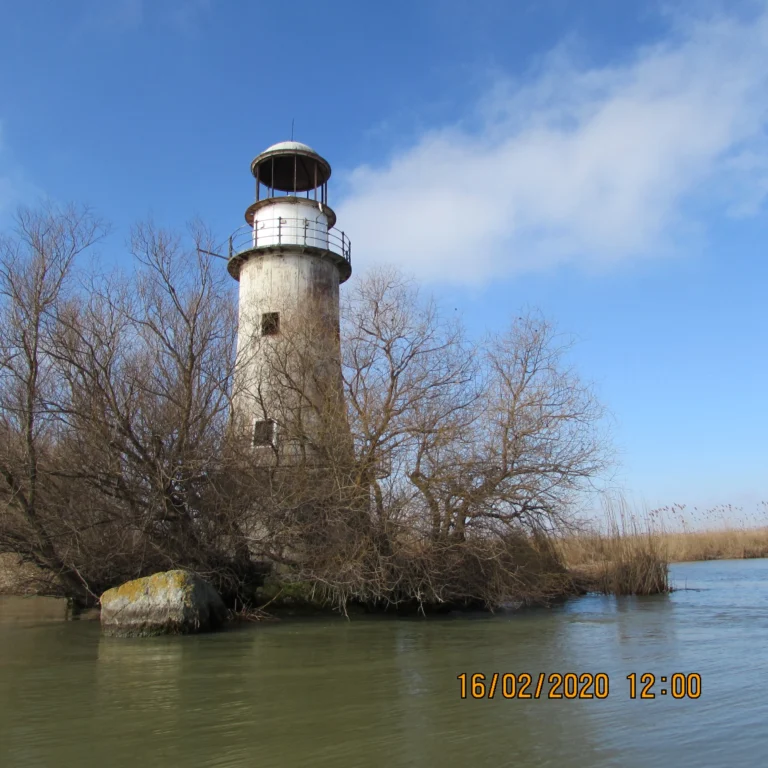




Gastronomy in the Danube Delta
Here, food tastes like a fairytale
Discover all Local Gastronomic Spots in one place. From Chilia to Sfântu Gheorghe, find the fishermen's courtyards where tradition is put on the plate and the fish goes straight from the boat into the pot.




Bird migration
Delta is on the migration route Palaearctic-African, It is a key staging, feeding and breeding site for millions of birds during spring and autumn migration.
The Delta is not just a place to pass through; it fulfils species-specific roles:
Stop and refuelling: Many species (such as nuthatches and various ducks) stop here for a few days to replenish their fat reserves, essential for flights of thousands of kilometres.
Nesting (Summer): For flagship species such as Common Pelican or Egreta Mare, the Delta is the final destination where they raise their chicks before leaving for Africa in August-September.
Wintering place: For birds in the extreme north (e.g: Big Whist or famous Red-necked goose), the Danube Delta is the „warm south” where they spend the winter months because the waters don't freeze completely.